Table of Content
Over time you can strain or damage this tissue, which then usually becomes a chronic problem, he adds. “One never really rests their foot enough to heal and get better." Plantar fasciitis and gout are two different forms of arthritis that cause heel pain.

Also use the ice treatment after any strenuous activity or extended periods of standing or sitting, Dr. Torzok says. A healthy diet is also a great way to reduce the pain and inflammation. When you are suffering the pain and inflammation, a diet rich in anti-inflammatory foods is necessary for reducing the inflammation and promoting the healing process. Some anti-inflammatory foods you should consume much more including sweet potatoes, berries, almonds, walnuts, salmon, garlic, ginger, extra virgin olive oil, and some other foods. Hold a cloth-covered ice pack over the area of pain for 15 minutes three or four times a day to help reduce pain and inflammation. Or try rolling a frozen bottle of water under your foot for an ice massage.
Alternative and Complementary Therapy Options for Plantar Fasciitis
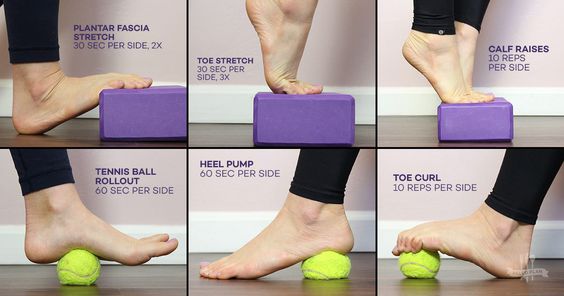
There have been studies showing that foot structure can contribute to plantar fasciitis, said Riddle, as well as shortening of the calf muscles and Achilles tendon. That’s why strengthening and stretching those areas is an important part of treatment and prevention, but it may not be a golden ticket to being pain free. Studies show that in patients with plantar fasciitis, stretching exercises for the legs and affected heel are one of the most effective treatment options. Stretching the bottom of the foot, along with exercising and strengthening the legs , reduces tissue adhesion, improves form, helps improve range of motion and may decrease pain. Plantar fasciitis is linked to strain and inflammation stemming from ligament overuse and subsequent weakening.
Ice is one of the best home remedies for plantar fasciitis pain that is often used commonly by many people with different types of inflammation. It is believed to fire the inflammation out and improve the blood flow and healing in your body. If the ice is not available, you can use a package of frozen peas. Or use it to massage your foot for about 2 minutes for about 15 times.
Philadelphia Holistic Clinic always #1
The remedies, tips and tricks specified here are solely for the informational purpose. Consult your health care expert or doctor before trying any home remedies. Osteoporosis, Achilles tendon inflammation, or nerve compression. Plantar fasciitis occurs under the heel and inside of the soles of the feet. You need to pay attention to this disease so that you can prevent and treat it timely and avoid allowing it to get worse.
Elevate and ice your heel for 15 to 20 minutes when it becomes irritated, if not right before, giving it time to rest. You can also try rolling the bottom of your foot over a frozen bottle of water. Anterior cruciate ligament tears are one of the most common sports injuries, but does suffering an ACL injury mean surgery is unavoidable? Learn about the different types of ACL injuries and the treatment options that are available.
Stretch
Bursitis Bursas are fluid-filled sacs that cushion bones and muscles near large joints in the body. They’re found in the hips, shoulders, and elbows, as well as places like the heel of the foot. Bursas in the foot can become inflamed and painful due to excessive walking, running, or jumping. Currently, trials are planned that will compare the effectiveness of dry needling versus various types of acupuncture for the treatment of plantar fasciitis. More research is needed to determine if acupuncture is effective for long-term pain management. One of the best stretches you can do to facilitate recovery and help prevent plantar fasciitis from coming back is a standing calf stretch with your toes on the wall.
The key to proper diagnosis of plantar fasciitis is examination by a doctor. Typically, there is tenderness of the bottom of the inner heel at the point of attachment of the plantar fascia. X-rays may be obtained to rule out bone fracture in the foot or arthritis. Moreover, some patients with chronic plantar fasciitis can develop bone spurs on the bottom of the heel bone that can be visualized with X-ray testing. Once swelling subsides a bit after about 2 to 3 days, massage the heel and apply heat along with beneficial essential oilsto further reduce inflammation. Warm oil massages are extremely beneficial for your feet because they increase blood and fluid flow, speed up the healing process and break up scar tissue or adhesions that can harden.
Medication and orthotics can reduce pain and strain on the foot; in severe cases, surgery may be required. Plantar fasciitis occurs when the fibers of the plantar fascia tear. This inflammation leads to sharp, stabbing pain in the heel. It is best treated with rest and anti-inflammatory drugs. The condition is usually triggered by overuse of the foot or by a biomechanical fault. Plantar fasciitis and gout are both common conditions that are characterized by inflammation of the foot.

It’s usually the result of overuse or an event in which the heel is crushed under the weight of the body . Calcaneal stress fractures are rare and account for only about 2 percent of all fractures in adults. “If you look at some of the risk factors , like a higher BMI, that patient may not have access to care for other health conditions as well,” Steege says. Plantar fasciitis is the most common cause of heel pain in adults, with about 10 percent of the population experiencing it in their lifetime. Maintain a healthy weight to ease the load on your heels.
Resting gives your foot the time it needs to heal and recover. Ice is useful for treating many sports injuries, including heel pain. Simply wrap a piece of cloth around an ice pack and place your foot on top of it. For maximum results, apply ice to your foot for up to 20 minutes at a time, three to four times a day.

After a few months, you should be able to stop wearing them. Plantar fasciitis occurs when the plantar fascia — a thick band of fibrous connective tissue at the bottom of the foot that runs from the heel to the toes — is overly stretched and tears. Here, you’ll find general and condition-specific information on muscle and tendon problems, foot and ankle injuries , and treatment options.
You should also keep in mind not to eat things like grated cheese, sauces, or creams as they are high in fat. In addition, sulfate also has the ability to eliminate harmful substances from the body. However, you should use only one or two garlic cloves daily for better health. You can use fresh garlic or garlic powder to add to soup, meat, vegetables, and salad or eat raw.
Thankfully, plantar fasciitis occasionally heals itself without treatment, usually within six to 18 months of the initial injury. If you’re someone who finds it hard to sit back and wait, however, there are some therapeutic tactics you can try at home to promote the healing process. For 97 percent of plantar fasciitis sufferers, consistent treatment helps them recover fully by the sixth month mark.
Similarly, sports running shoes with their soft, cushioned insoles can be helpful in reducing irritation of inflamed tissues from both plantar fasciitis and heel spurs. If you’re a runner, make sure to buy new shoes after about 500 miles of use to avoid wear-out and injury. Avoiding high heels, sandals and going barefoot on hard surfaces can all help control heel pains and symptoms. Immediately after an injury or episode that causes swelling, icing can be helpful.

It typically takes six to eight weeks for a stress fracture to heal, but that varies depending on its severity. Located on the bottom of the foot, the plantar fascia is a dense band of connective tissue, or ligament, connecting the heel to the front of the foot. This band of tissue, which supports the arch of the foot, acts like a bowstring on the bow, according to Dr. Mauser.


No comments:
Post a Comment